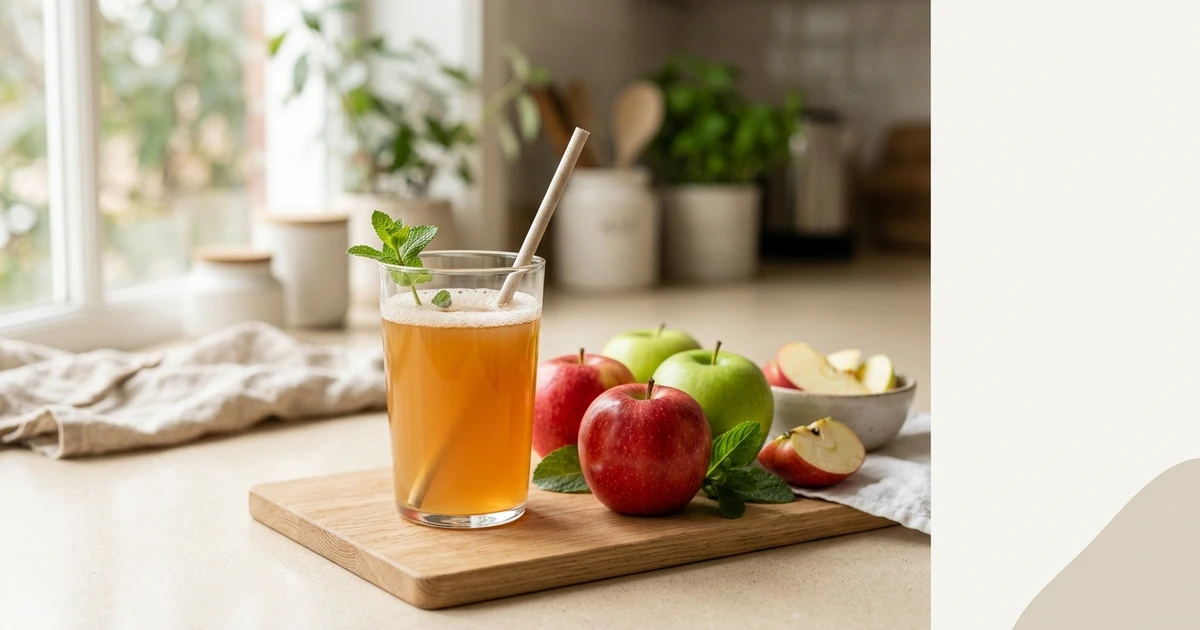
Helth, apple Juice Benefits Complete Daily Wellness List
 General
Helth, apple Juice Benefits Complete Daily Wellness List
Helth, apple searches often point to a simple question. Is drinking apple juice daily actually good for you? The answer depends on the type of juice, the serving size, and the rest of your diet. Pure apple juice can support hydration, provide quick energy, and add plant compounds to your routine. Yet it also contains natural sugar, so moderation matters. This guide explains the benefits of daily apple juice, the risks to watch, and how to enjoy it wisely.
Key Takeaways
- Apple juice can support hydration, quick energy, and daily fruit intake when you choose 100 percent juice.
- The best juce habit is portion controlled, ideally paired with meals, protein, or fibre rich foods.
- Whole apples remain the better daily choice for fibre, but juice can still fit into a balanced routine.
Helth, apple Juice Basics Before Drinking It Daily
Daily apple juice can be part of a healthy routine when it comes from 100 percent fruit juice and fits within your sugar needs. It offers water, natural carbohydrates, potassium, and plant compounds, but it lacks the fibre found in whole apples, which changes how your body responds.
Apple juice starts with pressed apples, then it may be filtered, pasteurised, or fortified. The healthiest choice is usually 100 percent apple juice with no added sugar. The nutrition profile varies by brand, so always read the label.
According to USDA FoodData Central, apple juice mainly provides water and carbohydrates. It may also contain potassium and small amounts of vitamin C, especially when fortified. These nutrients can support everyday hydration and energy needs.
Still, juice is not the same as whole fruit. A whole apple contains fibre that slows digestion and supports fullness. Juice removes much of that fibre, so it is easier to drink too much. For a broader wellness overview, see this related guide on apple juice health benefits for daily wellness.
Helth, apple Nutrients That Matter Most
The main daily benefits of apple juice come from hydration, natural sugars, potassium, and apple polyphenols. These compounds can support normal body functions, but they work best when the juice is fresh, portioned, and part of a varied eating pattern.
A small glass of apple juice can help you add fluids to your day. This matters for people who struggle to drink plain water. Its natural sweetness can also make it useful after light activity or when you need quick carbohydrate energy.
Apple juice also contains polyphenols, which are plant compounds found in apples. These compounds are studied for their antioxidant activity. Antioxidants help protect cells from oxidative stress, although juice should not be treated as medicine.
Here are the nutrients worth noticing:
- Water, which supports hydration.
- Natural carbohydrates, which provide quick energy.
- Potassium, which supports normal muscle and nerve function.
- Vitamin C, if the juice is fortified.
- Polyphenols, which contribute antioxidant activity.
If you see the word juce online, it often refers to juice searched with a spelling mistake. The practical advice stays the same. Choose a simple ingredient list and avoid products labelled as fruit drink, cocktail, or beverage if they contain added sugar.
Daily Benefits of Apple Juice in Moderation
Drinking apple juice daily may support hydration, energy, digestion comfort for some people, and easier fruit intake. These benefits are strongest when you drink a small serving, avoid added sugar, and keep whole fruits, vegetables, protein, and fibre in your meals.
The first benefit is hydration. Apple juice is mostly water, so it contributes to fluid intake. If you dislike plain water, a small serving can make your routine easier. Some people dilute it with water to reduce sweetness while keeping flavour.
The second benefit is fast energy. Apple juice contains natural sugars that the body can use quickly. This may help before a walk, after mild exercise, or during a busy morning. It should not replace balanced meals, though.
The third benefit is convenience. Whole apples are best, but juice can help when chewing is difficult or appetite is low. For older adults or people recovering from illness, a small glass may feel easier than a full snack.
Apple juice can also support digestive comfort for some people. Its fluid content may help soften stools when paired with enough water and fibre across the day. However, too much juice can cause loose stools, especially in children.
Wellness brands, clinics, and nutrition teams often publish simple food education to help readers make better choices. If your organisation shares health content, a clear digital marketing strategy for growing brands can help ensure that advice stays useful, accurate, and easy to find.
How Much Apple Juce Is Sensible Each Day
A sensible daily apple juice amount is usually small. Adults often do best with one modest glass, while children need stricter limits. The goal is to enjoy the flavour and nutrients without letting liquid sugar crowd out whole fruit or balanced meals.
For most healthy adults, a small serving of 100 percent apple juice can fit into the day. Think of it as part of your fruit intake, not a replacement for water. A serving of about 120 to 240 ml is often enough.
Children need more caution. The American Academy of Pediatrics juice guidance recommends limiting juice for young children and avoiding juice for infants under one year unless advised by a clinician. Parents should serve juice in a cup, not a bottle.
A simple daily approach works well:
- Choose 100 percent apple juice.
- Keep portions small.
- Drink it with meals, not all day.
- Avoid sipping before bed.
- Pair it with fibre rich foods.
- Dilute it with water if you want less sweetness.
This is where Helth, apple habits become practical. You do not need a perfect diet to enjoy apple juice. You just need a serving size that respects your total sugar intake.
If you manage a clinic, nutrition practice, or wellness service, clear patient education can reduce confusion around topics like daily juice intake. Tools discussed in this healthcare marketing software guide for modern clinics can help teams share consistent health resources with patients.
Helth, apple Safety Tips for Better Choices
Apple juice is safest when it is pasteurised, stored correctly, and consumed in reasonable amounts. People with diabetes, blood sugar concerns, dental issues, or digestive sensitivity should be more careful and may need personalised advice from a qualified health professional.
The main concern with daily apple juice is sugar concentration. Even when sugar is natural, your body still absorbs it quickly. People with diabetes or insulin resistance should ask a clinician or dietitian before making juice a daily habit.
Dental health also matters. Juice is acidic and sweet, so frequent sipping can increase the risk of tooth enamel wear and cavities. Drink it with meals and rinse your mouth with water afterward. Avoid brushing immediately after acidic drinks.
Food safety is another point. Choose pasteurised juice unless a health professional says otherwise. Unpasteurised juice may carry harmful bacteria, especially for pregnant people, young children, older adults, and people with weakened immune systems.
Use this quick buying checklist:
- The label says 100 percent juice.
- There is no added sugar.
- The bottle is pasteurised.
- The serving size is clear.
- The flavour is apple, not a mixed sweetened drink.
- The juice is stored as directed after opening.
If you typed apple juce while searching, the label rule is still the easiest filter. Fewer ingredients usually make better sense.
Whole Apples Versus Apple Juice
Whole apples and apple juice both come from the same fruit, but they behave differently in the body. Whole apples offer fibre and greater fullness, while juice offers convenience and hydration. The best routine often includes both, with whole fruit as the priority.
A whole apple usually wins for daily health. It contains fibre, takes longer to eat, and helps you feel fuller. That makes it easier to control appetite and blood sugar response.
Apple juice is more concentrated. You can drink the juice of several apples quickly without feeling as full. This is why portion size matters more with juice than with whole fruit.
A balanced routine may look like this:
- Eat whole apples most days.
- Drink apple juice in small servings.
- Use juice with meals, not as a constant snack.
- Add protein, such as yoghurt or nuts, when possible.
- Choose water as your main daily drink.
Apple juice can also work in recipes. You can add a splash to smoothies, oatmeal, marinades, or homemade sauces. This gives flavour without needing a large glass.
For food brands, dietitians, or wellness businesses, helpful content can attract readers who are already asking practical nutrition questions. If you publish recipes or guides, this resource on how to automate lead tracking without losing leads explains how to organise reader interest without missing follow ups.
Common Myths About Drinking Apple Juice Daily
Apple juice is often described as either completely healthy or completely harmful. The truth sits between those extremes. It can support hydration and provide useful nutrients, but it should not replace whole fruit, medical advice, or a balanced diet.
Myth one says apple juice detoxes the body. Your liver and kidneys already manage detox processes. Apple juice does not cleanse your body in a special way. It can support fluid intake, but it is not a detox treatment.
Myth two says natural sugar does not count. Natural sugar still affects total sugar intake. The source matters, but quantity matters too. That is why 100 percent juice still needs portion control.
Myth three says cloudy juice is always better. Cloudy apple juice may contain more apple solids and polyphenols than clear juice. However, the overall health impact still depends on serving size and total diet quality.
Myth four says children can drink unlimited juice because it is fruit. This is not true. Children need whole fruits more often because fibre supports fullness and digestive health.
A smarter Helth, apple routine focuses on balance. Drink small amounts, choose quality juice, and make whole foods the foundation.
Conclusion
Helth, apple juice habits can support daily wellness when you keep them simple. Choose 100 percent apple juice, avoid added sugar, and treat juice as a small part of your fruit intake. It can help with hydration, quick energy, and flavour, but whole apples remain the better everyday choice because they provide fibre and fullness. If you drink apple juice daily, keep portions modest and pair it with balanced meals. For more practical wellness reading, explore our guide to apple juice health benefits for daily wellness.
Frequently Asked Questions
Is drinking apple juice every day actually healthy?

How much apple juice is safe to drink daily?
Is apple juice better than eating a whole apple?
What should I look for when buying apple juice?
Can apple juice help with hydration?
Is apple juice safe for children every day?
Can people with diabetes drink apple juice?
Does apple juice improve digestion?
Is cloudy apple juice healthier than clear apple juice?
What is the healthiest way to drink apple juice?